
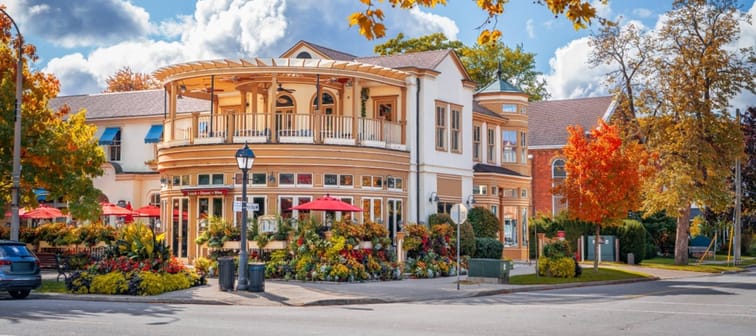

Noel Moffatt
Updated Aug 9, 2025
Ever been stuck in Toronto traffic, paying $2,500 a month for a shoebox apartment, thinking "there's gotta be a better way to live"?
Yeah, me too.
That's exactly why I put together this guide to Ontario's best small towns. Look, I get it – the idea of leaving the big city can be scary.
But what if I told you there are places in Ontario where you can actually afford a house with a yard, know your neighbours by name and still have decent internet for working from home?
This isn't some fantasy. These places exist, and they're closer than you think.
Below, I've broken down 12 of Ontario's best small towns based on three things that actually matter: affordability (can you actually buy a house?), job opportunities (can you make a living?) and quality of life (will you actually enjoy living there?).
This list was curated using recent data (2023–2025) on key livability factors including housing affordability, safety, healthcare access, education, employment, community amenities and transit. We selected towns that offer a strong quality of life and a true small-town feel.
Okay, let's dive in.
1. Stratford: Where culture meets charm
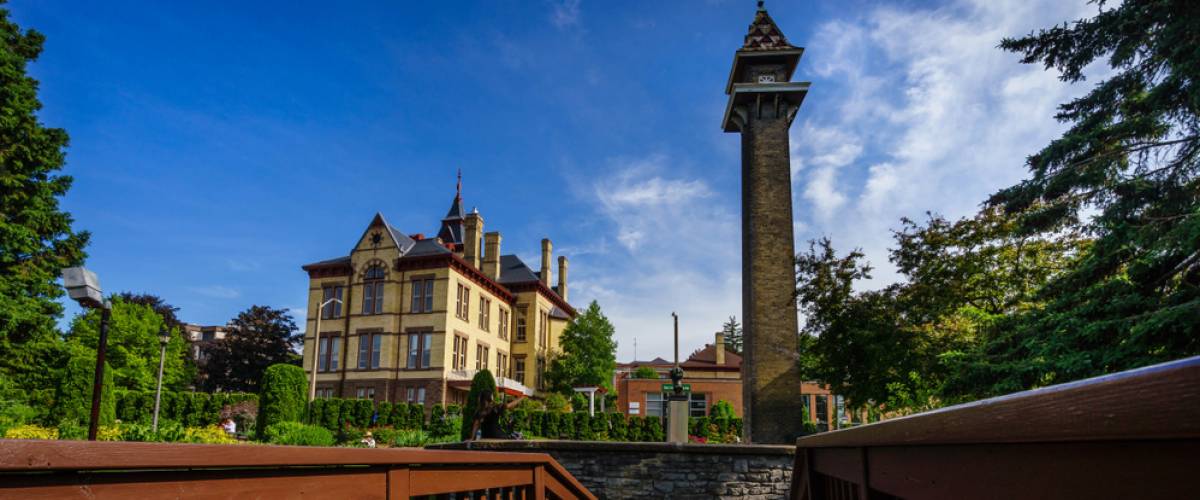
Population: 33,200
Average home price: $756,600
Can you actually afford it?
Let's be real – $756,600 might sound like a lot, but compared to Toronto's average of $1.1 million, it's basically a steal. You can rent a decent two-bedroom apartment for around $1,350 to $1,434, which is what you'd pay for a basement in Toronto.
What about jobs?
Here's what's cool about Stratford – it's not just a tourist town. Sure, the Stratford Festival brings in the theatre crowd, but there's also:
- Waterloo 40 minutes away (hello, tech jobs!)
- Manufacturing companies
- Low unemployment rates
The town literally ranked among Canada's top communities for economy and transit. Not bad for a small town.
The lifestyle
Picture this: Victorian downtown, weekly farmers' markets, world-class theatre and a crime rate way below the national average (Crime Severity Index of ~64 vs ~80 nationally). It's like living in a postcard, but with good internet and decent coffee shops.
The commute: 150km west of Toronto, with VIA Rail and GO Transit connections. Not terrible if you only need to go to the city occasionally.
Fun fact: Maclean's magazine once rated Stratford the third best place to live in Ontario. That's some serious street cred right there.
The bottom line: If you want culture and charm without Toronto prices, Stratford is your best bet.

Sponsored
Smart investing starts here
Build your own investment portfolio with CIBC Investor’s Edge online and mobile trading platform. Enjoy low commissions on trades and special pricing for active traders, students and young investors.
Get started today2. Collingwood: The outdoor enthusiast's dream
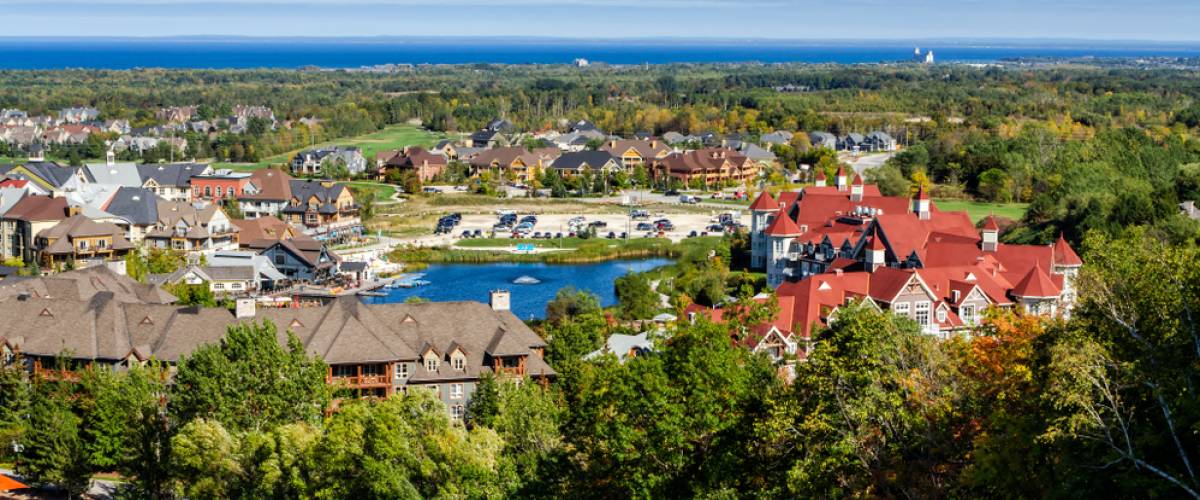
Population: 23,000
Average home price: $743,000
Can you actually afford it?
At $743,000, houses aren't exactly cheap, but they've cooled off from those crazy pandemic peaks. You're looking at about $1,800 to $2,000 for a two-bedroom rental.
Here's the thing though – you're paying for location. We're talking Georgian Bay, Blue Mountain ski resort and some of the best outdoor recreation in Ontario.
What about jobs?
The economy here revolves around:
- Tourism (obviously)
- Healthcare
- Remote work (tons of people moved here during the pandemic)
- Service industries
It's a four-season resort town, so there are always jobs in hospitality and retail. Plus, with more people working remotely, you might not even need a local job.
The lifestyle
Crime rate of ~60 (super safe), Elvis Festival (yes, really) and the Bruce Trail literally in your backyard. If you're the type who'd rather spend weekends hiking than stuck in traffic, this place is calling your name.
The commute: Two hours to Toronto. It's doable, but you're really moving here for the lifestyle, not the commute.
The bottom line: If you're into skiing, hiking, or just want to live somewhere that doesn't look like a concrete jungle, Collingwood's got you covered.
3. Port Hope: A movie set you live in
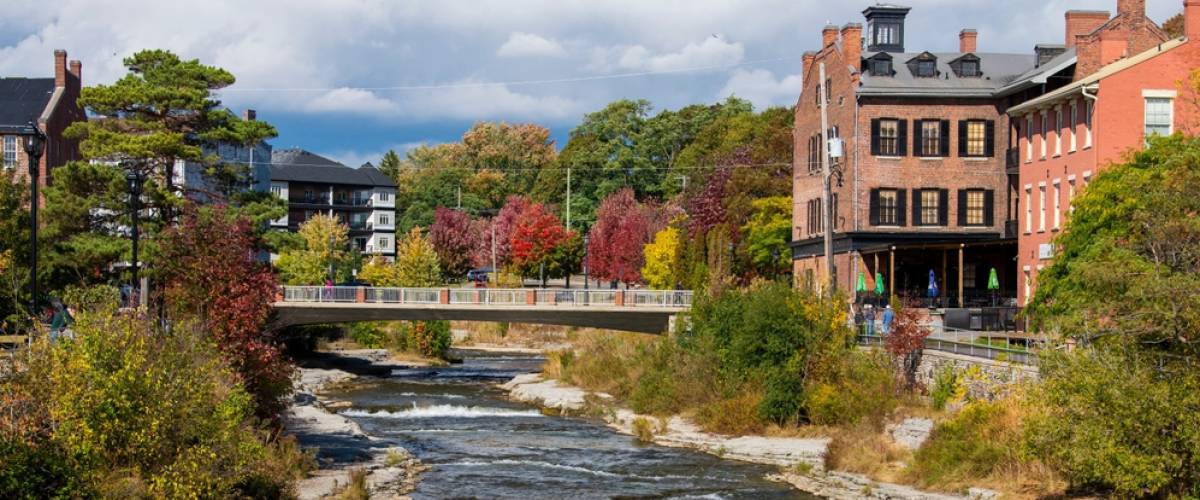
Population: 17,300
Average home price: $783,500
Can you actually afford it?
For $783,500, you get way more house than you'd get in any major city. We're talking actual yards, heritage homes and character that money can't buy.
What about jobs?
Port Hope's got a nice mix:
- Cameco (nuclear fuel plant) – good, stable jobs
- Tourism (thanks to all those movie productions)
- Commuting to Durham Region (less than an hour)
- Remote work opportunities
Fun fact: Movies such as "IT" were filmed here. The town's so picturesque, Hollywood can't resist it.
The lifestyle
Here's what blew my mind – Port Hope has a Crime Severity Index of only ~25. That's among the lowest in Canada. People literally leave their doors unlocked.
The town hosts "Float Your Fanny Down the Ganny" (a river race festival), has a historic Capitol Theatre and trails along the Ganaraska River. It's like living in a movie set, but with real Wi-Fi.
The commute: 100km east of Toronto, about an hour drive. VIA Rail station right in town.
The bottom line: If you want authentic small-town charm with a Hollywood twist, Port Hope is basically perfect.

Sponsored
Take control of your money with Monarch
Simplify your finances with Monarch, the all-in-one app designed to help you budget, track spending, and hit your goals faster. For a limited time, get 50% off your first year with code WISE50.
Start your free trial today4. Cobourg: For beach town lovers
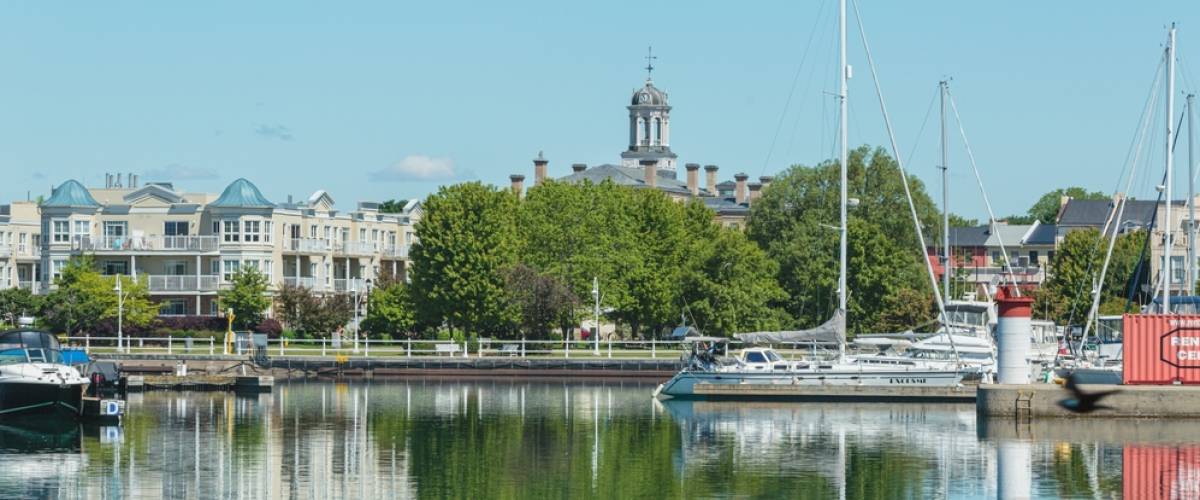
Population: 20,500
Average home price: $723,000
Can you actually afford it?
Paying $723,000 for a house near Lake Ontario is honestly pretty reasonable. Rent a two-bedroom apartment for $1,500 to $1,800. Not bad for lakefront living.
What about jobs?
Cobourg's the seat of Northumberland County, so there are government jobs, plus:
- Light manufacturing
- Healthcare (the hospital's a major employer)
- Growing tech startup scene
- Easy commuting to Durham Region
The lifestyle
Cobourg has one of Ontario's best beaches right downtown. We're talking sandy beach, boardwalk, marina – the whole package. Plus historic Victoria Hall, the Sandcastle Festival and a crime rate around average (CSI ~70).
The commute: 120km east of Toronto, with VIA Rail and GO Transit connections.
The bottom line: Beach living without the Toronto prices? Yes, please.
5. Goderich: Canada's prettiest town (and cheapest!)
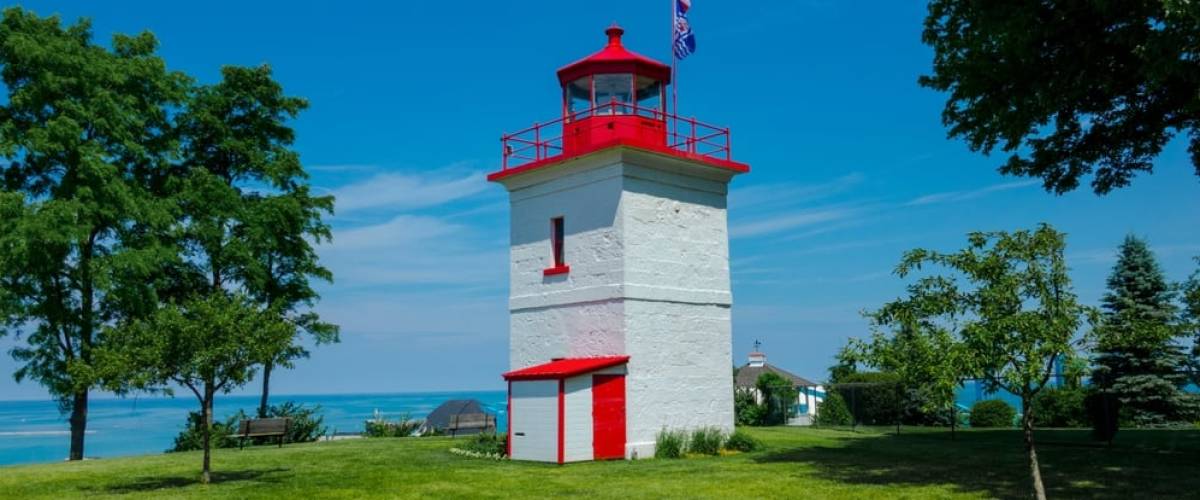
Population: 7,900
Average home price: $621,000
Can you actually afford it?
The $621,000 average home price? That's well below the Ontario average of ~$834k. You can actually find decent historic homes under $600k. In 2025, that's basically a miracle.
What about jobs?
- World's largest underground salt mine (stable jobs)
- Grain shipping port
- Tourism (it's officially nicknamed "Canada's Prettiest Town")
- Regional services
The lifestyle
The town's built around an octagonal town square (unique much?), has three beaches, and won a People's Choice award for Canada's greatest public space. Lake Huron sunsets are included free of charge.
The commute: 1.5 hours from London, 1 hour from Stratford. It's a bit remote, but that's exactly why it's so peaceful.
The bottom line: If you want stunning sunsets and the best bang for your buck, Goderich is unbeatable.
6. Niagara-on-the-Lake: The fancy option
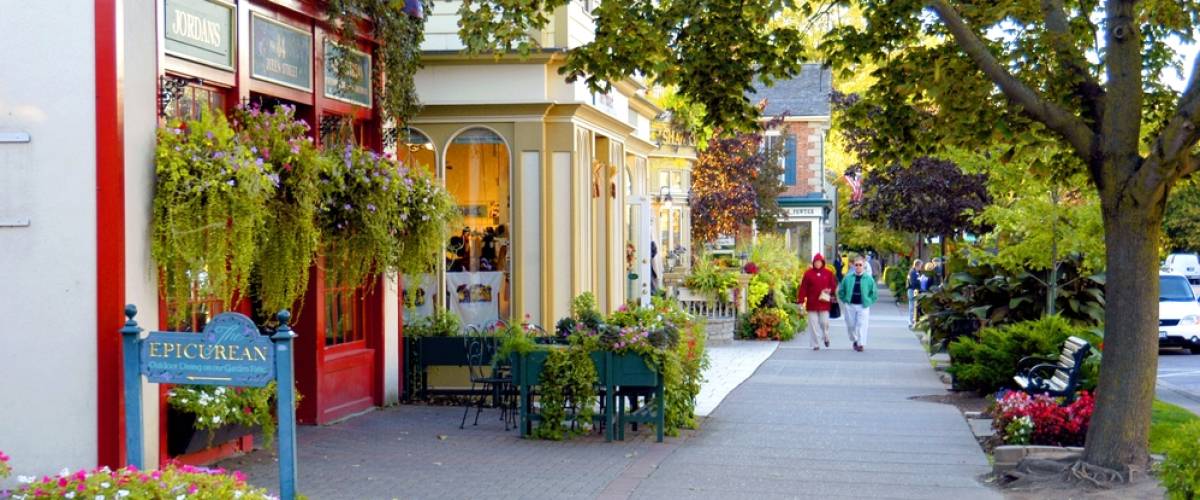
Population: 19,000
Average home price: $1.38 million
Can you actually afford it?
The average home price is $1.38 million. A three-bedroom rental can go for $3,000+. Yeah, it's expensive, but you're paying for Ontario's most prestigious small-town lifestyle.
What about jobs?
- Wine industry (40+ wineries)
- Shaw Festival theatre
- Tourism
- Growing retirement community
The lifestyle
Flower-lined streets, heritage B&Bs, fine dining and crime rates so low they're basically non-existent. It's like living in a luxury resort, but it's actually a town.
The commute: 130km from Toronto (1.5 hours), 20 minutes to Niagara Falls.
The bottom line: If money's not your main concern and you want to live in wine country, this is as good as it gets.
7. Prince Edward County: The foodie's paradise
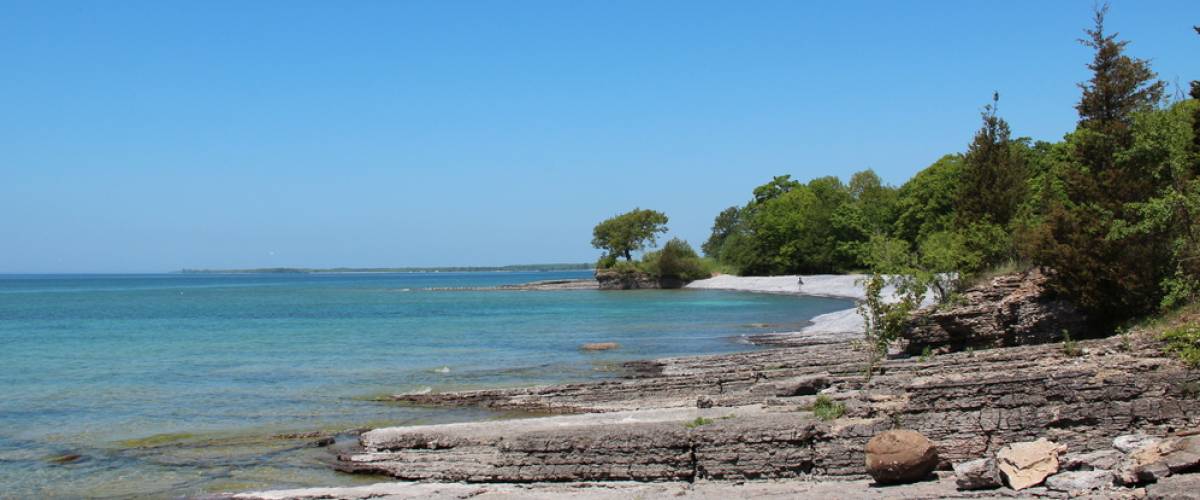
Population: 4,300
Average home price: $770,000
Can you actually afford it?
It has an $770,000 average, but you can find places for around $645K median. A two-bedroom rental runs about $1,500, though availability is limited thanks to all the Airbnb action.
What about jobs?
- 40+ wineries
- Farm-to-table restaurants
- Art galleries
- Growing remote worker community
The lifestyle
Weekly farmers' markets, Sandbanks Provincial Park (some of Canada's best beaches) and enough cycling routes to keep you busy for years. It's rural living with sophisticated dining.
The commute: 2.5 hours east of Toronto. You're really moving here for the lifestyle, not the commute.
The bottom line: If you're into food, wine and arts, Prince Edward County is calling your name.
8. Huntsville: Gateway to Algonquin park
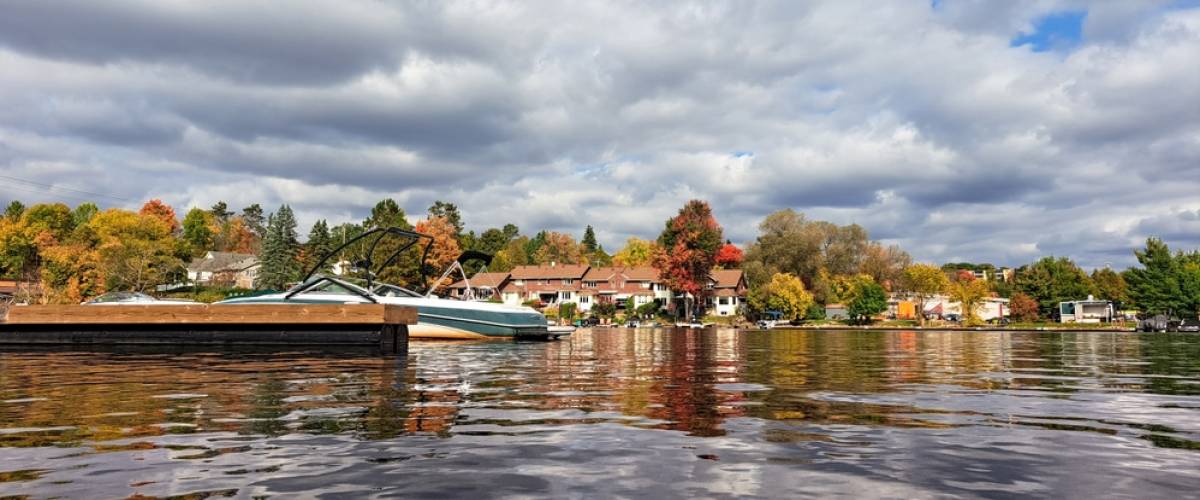
Population: 21,150
Average home price: $799,000
Can you actually afford it?
A price tag of $799,000 may seem steep, but remember – you're 30 minutes from Algonquin Park. People pay that much for a condo in Toronto and don't even get a view.
What about jobs?
- Tourism (obviously)
- Construction
- Healthcare
- Remote work
The lifestyle
Surrounded by lakes and forests, boating, fishing, hiking, skiing. Group of Seven painter heritage, craft breweries and modern amenities. It's like living in a postcard, but with a Canadian Tire.
The commute: 2 to 2.5 hours north of Toronto. You're moving here for the lifestyle, not the commute.
The bottom line: If you want to live where other people vacation, Huntsville is your spot.
9. Elora: Ontario's most beautiful village
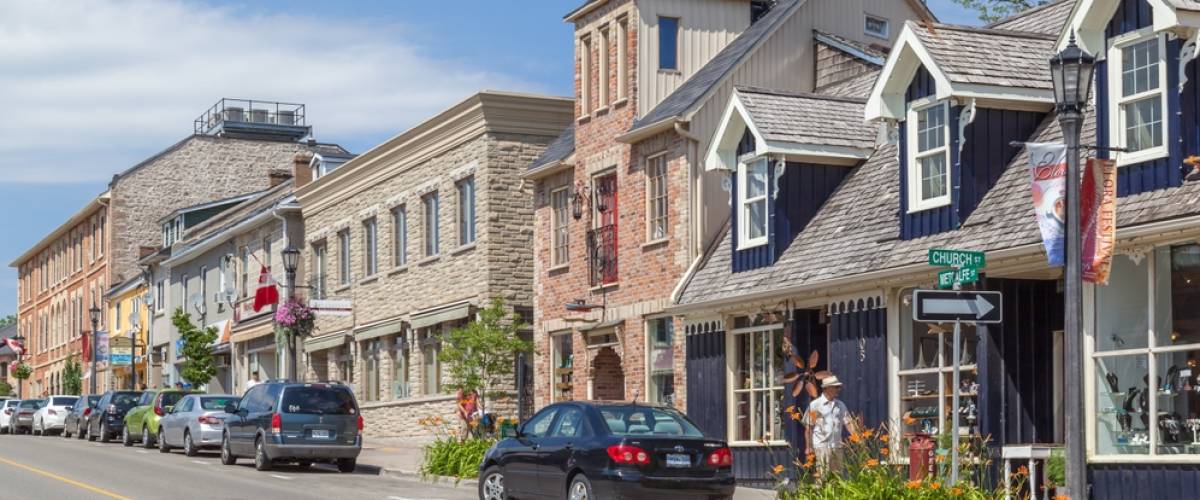
Population: 8,000
Average home price: $806,000
Can you actually afford it?
Prices sit at an average of $806,000, with family homes typically in the $700K range and about $2,200 for a three-bedroom rental.
What about jobs?
- Arts scene
- Tourism (Elora Mill hotel & spa)
- Commuting to Guelph (25 minutes) or Kitchener-Waterloo (30 minutes)
- Remote work
The lifestyle
Elora Gorge, limestone architecture, artisan shops and you can walk from downtown to waterfall lookouts in minutes. Crime is basically non-existent, and the community actually cares about each other.
The commute: 25 minutes to Guelph, 90 minutes to Toronto. Actually doable for commuters.
The bottom line: If you want storybook charm with reasonable commuting distance, Elora hits the sweet spot.
10. Almonte: The friendly town
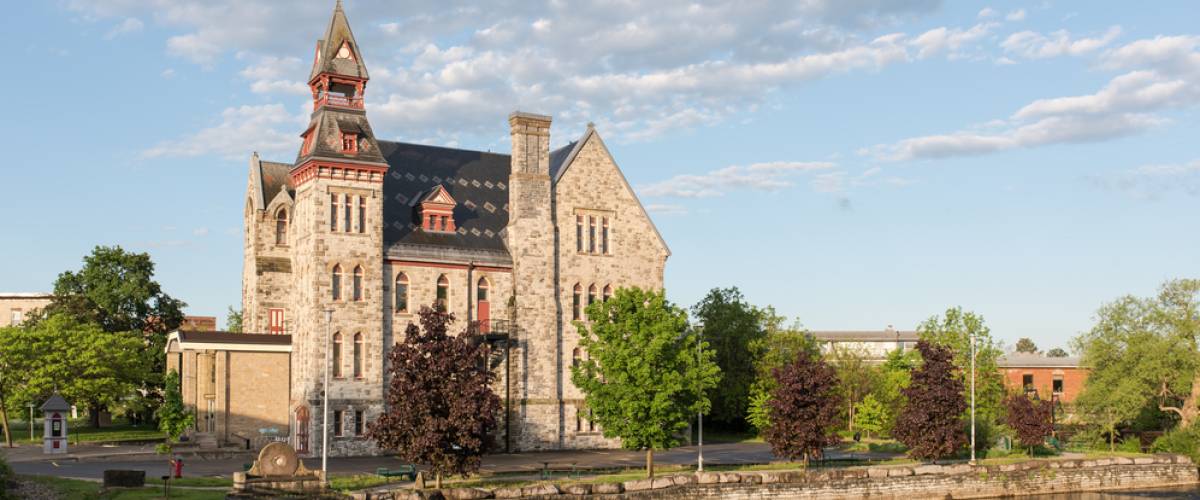
Population: 6,100
Average home price: $615,000
Can you actually afford it?
The average home price is $615,000. Single-family homes around $656K, townhouses around $582K. A two to three-bedroom rental runs $1,500 to $1,800.
What about jobs?
- High-tech and engineering firms
- Small businesses
- Commuting to Ottawa (40 minutes)
- Remote work
The lifestyle
Mississippi River waterfalls right downtown, heritage stone buildings and crime so low people literally leave their doors unlocked. It's nicknamed "Little Hollywood North" because it's used in so many movies.
The Commute: 40 minutes to Ottawa. Perfect for government workers who want small-town life.
The bottom line: If you want small-town charm near Ottawa, Almonte is basically perfect.
11. Orangeville: The growing hub
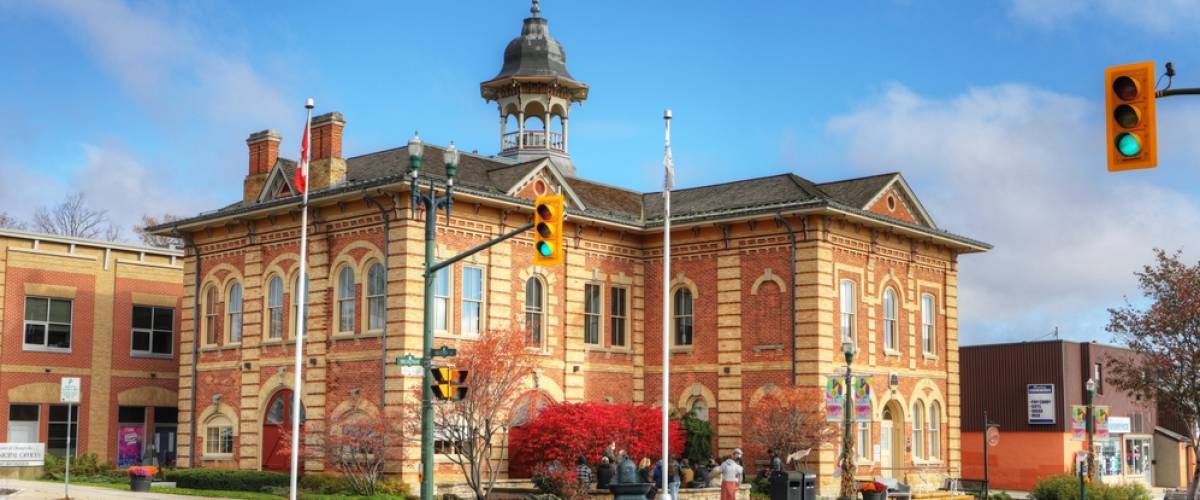
Population: 30,000
Average home price: $742,000
Can you actually afford it?
You’ll find prices for homes start at about $747,000, with three-bedroom houses renting for $2,300+. It's pricier than truly small towns, but you get more amenities.
What about jobs?
- Manufacturing (auto parts, plastics)
- Healthcare and education
- Commuting to Brampton/Mississauga (45-60 minutes)
- Growing business scene
The lifestyle
Historic Broadway street with tree sculptures, Orangeville Blues & Jazz Festival (one of Ontario's largest) and Island Lake Conservation Area. Crime rates are below provincial averages and dropping.
The commute: 1 to 1.5 hours to Toronto, with GO Transit connections.
The bottom line: If you want a small-town feel with urban conveniences, Orangeville is growing fast for good reason.
12. Uxbridge: The trail capital
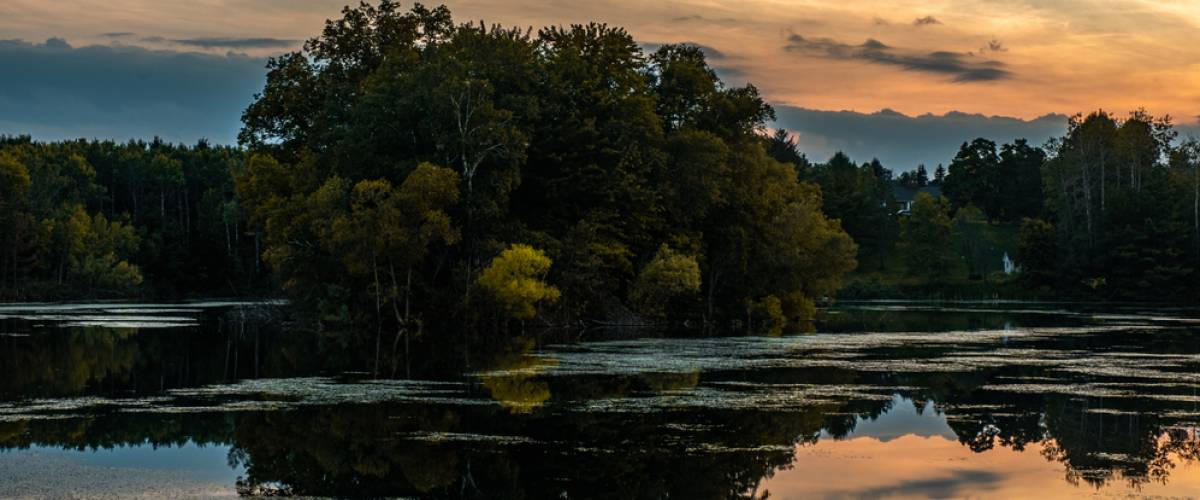
Population: 21,500
Average home price: $1.07 million
Can you actually afford it?
Ouch — $1.07 million average, but prices are down 19% from 2023 peaks. You can find townhomes and older bungalows in the $700 to $900K range.
What about jobs?
- Local services and agriculture
- Tourism (trail enthusiasts)
- Commuting to Markham/Toronto (1 hour)
- High-income commuter town
The lifestyle
Over 300km of maintained trails for hiking, biking, horseback riding, and cross-country skiing. Durham Region has exceptionally low crime rates and Uxbridge is even quieter. It's rural tranquility with GTA access.
The commute: 1 hour to Toronto, with GO Transit connections and future GO Train expansion planned.
The bottom line: If you want luxury small-town living with 300km of trails, Uxbridge is worth the premium.
So which town is right for you?
Look, I can't make this decision for you, but here's how I'd think about it:
If you're on a budget:
- Goderich ($621k) – Best value for lakefront living
- Almonte ($615k) – Great value near Ottawa
- Stratford ($756k) – Culture and charm without breaking the bank
If you love the outdoors:
- Huntsville – Algonquin Park in your backyard
- Uxbridge – 300km of trails
- Collingwood – Four-season resort living
If you need to commute:
- Almonte – 40 minutes to Ottawa
- Elora – 25 minutes to Guelph
- Orangeville – 1-1.5 hours to Toronto
If you want the good life:
- Niagara-on-the-Lake – Wine country luxury
- Picton – Food and arts scene
- Uxbridge – Upscale rural living
If you want culture:
- Stratford – World-class theatre
- Elora – Arts and natural beauty
- Port Hope – Historic charm
The bottom line? All of these towns offer something that Toronto, Ottawa and other big cities can't: Community, affordability (relatively speaking) and a chance to actually know your neighbours.
With remote work becoming more common and housing markets finally stabilizing, this may just be the perfect time to make the move.
Just don't tell everyone – we want to keep these places as hidden gems!
How Dave Ramsey’s plan helps people ditch debt for good
Tired of living paycheck to paycheck? Dave Ramsey’s popular 7-step method shows you exactly how to wipe out debt and finally build real savings. No gimmicks — just a clear plan that works.

Noel Moffatt
Writer
Noel Moffatt is a Canadian fintech expert with a passion for simplifying personal finance. Based in St. John’s, NL, he draws on his background in finance, SEO, and writing to deliver clear explanations and actionable advice. Noel is dedicated to equipping readers with the knowledge and tools they need to make informed financial decisions, striving to make personal finance more accessible and understandable through his in-depth articles and reviews.
Explore the latest articles

Home sales dip in November, slow market ahead
The Canadian Real Estate Association says home sales recorded over Canadian MLS Systems fell 0.6% month over month in November

Steven Brennan
Contributor

Disclaimer
The content provided on Money.ca is information to help users become financially literate. It is neither tax nor legal advice, is not intended to be relied upon as a forecast, research or investment advice, and is not a recommendation, offer or solicitation to buy or sell any securities or to adopt any investment strategy. Tax, investment and all other decisions should be made, as appropriate, only with guidance from a qualified professional. We make no representation or warranty of any kind, either express or implied, with respect to the data provided, the timeliness thereof, the results to be obtained by the use thereof or any other matter. Advertisers are not responsible for the content of this site, including any editorials or reviews that may appear on this site. For complete and current information on any advertiser product, please visit their website.
†Terms and Conditions apply.
