

Christy Bieber
Updated Sep 26, 2025
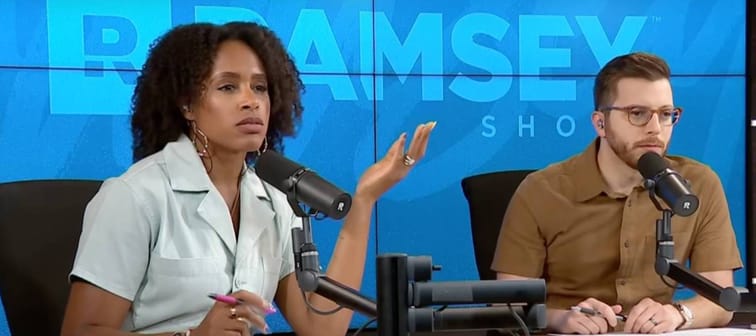
Recently, a caller to The Ramsey Show shared an interesting conundrum with the two hosts, George Kamel and Jade Warshaw (1). The caller had a true champagne problem: he’d inherited US$10 million from his father, but his two sisters received nothing at all.
His sisters were now asking the caller, Michael, for money, and even the Ramsey hosts weren't 100% sure what advice to give to him in this scenario.
Ramsey hosts uncertain about how to handle inheritance conflict
When Michael called The Ramsey Show, he was clear about his issue. His dad had left him with a substantial inheritance, and his sisters wanted a piece of it.
"He left everything to me. His house, his investments, his business. He did not give anything to my sisters — who are estranged, and [have been] with our mother ever since my parents divorced," Michael explained. He went on to say, "My sisters have asked me to help pay their student loans because my father left them with nothing."
His sisters have around US$300,000 worth of student loans between them, but Michael isn't convinced that writing them a cheque is the right thing to do, especially since his dad had tried to reconcile with them several times with no success. Moreover, his dad had also declined to pay for his sisters’ college when they asked before attending.
"They've only come to me for very unique cases. They came to both my father and I for money. My father and I refused to pay for them. That's why they had this debt," Michael explained.
He also went on note how his dad "suffered very greatly from the divorce. He showered me with love and attention because I was the only one that he had. I don't want to disrespect his wishes. I think he had a purpose when he refused my sisters for college. I know my father has tried to reach out, especially when my sisters had their kids."
According to Michael’s telling of the story, his mother had an affair, and his sisters sided with her, preferring her new and charismatic partner who “bought” their love.
The Ramsey Show hosts seemed stumped on how to advise Michael, calling his issue emotional rather than financial. While Kamel was quick to say that he shouldn't pay his sisters if he didn’t want to, Warshaw was more concerned about getting to the bottom of why the estrangement happened and whether the sisters had been cut off for a good reason.
Ulimately, both hosts ended up agreeing that there was no one right answer in this situation and that the caller should do what felt right to him. Kamel opined that Michael should only give his sisters money if he could do it with joy — but Michael seemed set on following his father’s plan.
He added, "I want the old grudges to die. At the same time, I want to respect my father's wishes. I know that forgiveness is in the Bible. But I'm not ready to forgive them for the pain they caused my father."

Sponsored
Smart investing starts here
Build your own investment portfolio with CIBC Investor’s Edge online and mobile trading platform. Enjoy low commissions on trades and special pricing for active traders, students and young investors.
Get started todayHow to handle inheritance issues
Although Michael's situation is uncommon, inheritance issues aren’t: they can happen to anyone. According to an RBC Survey (2), many Canadians hesitate to prepare their wills, despite knowing that having one is important. In fact, 56% recognized that it can lead to families fighting over inheritance, but still, 66% of Canadians between 35 and 54 years of age said they do not have a will.
In this case, there was a will, but a conflict still occurred because some family members were left out. Some other common examples of inheritance disputes include:
- Unclear language in a will that results in families fighting over assets
- Contradictions, such as appearing to leave the same asset to two different people
- Assets that were not dealt with in a will
- Fraud, coercion, or undue influence causing someone to make a will that differs from their desires
- Questions about whether the deceased had the mental capacity to make a will
- Conflicts over disinheritance
- Questions about whether the executor is managing the estate properly
- Alleged abuse from a power-of-attorney or authority granted to someone in case of incapacity
- Inheritance theft or hijacking where someone tries to take an inheritance meant for another
Those who want to minimize these conflicts may want to create a trust that gives them more power and control, and that they can use to clearly define their wishes.
For example, in this particular case, Michael’s father could have set up a trust and named his son the beneficiary. The dad could have imposed conditions on the distribution of trust assets, such as specifying that the money not go to the sisters.
No child is entitled to an inheritance, but spouses usually are, thanks to spousal elective share laws. However, children do have the right to challenge a will. In Canada, family members, those named in the will, and creditors of the deceased person all have the right to challenge a will. Rules differ slightly by province. For example, in Ontario, anyone who has a financial interest in the estate can contest the will.
However, Someone challenging a will must show a legal problem with it beyond just not liking it.
The grounds for contesting a will in Canada include proof that the person who created the document was coerced, that they were mentally incapable of making sound decisions at the time it was created, that it was forged or otherwise fake, or that the it isn't legally valid.
While trusts can also be challenged, it's less likely because of the ongoing involvement the trust creator has.
The sisters in this case could possibly move forward with a will challenge, claiming their father was unduly influenced by the son.
The sisters may just have to accept that choosing mom over dad during the divorce had unforeseen consequences. And Michael has the right to do what he wants with the inheritance, including keeping it from his sisters — but the consequences of that may further damage their relationship.
Still, this is a decision Michael has to make for himself. This could mean transferring some of the wealth in the future if he forgives his sisters — or keeping the funds from them because he thinks that's what his dad would have preferred.
Article sources
We rely only on vetted sources and credible third-party reporting. For details, see our editorial ethics and guidelines.
YouTube: My Dad Left Me Millions and Left My Sisters NOTHING by The Ramsey Show Highlights (1); RBC: Why you must have a Will, no matter the size of your estate (2)
How Dave Ramsey’s plan helps people ditch debt for good
Tired of living paycheck to paycheck? Dave Ramsey’s popular 7-step method shows you exactly how to wipe out debt and finally build real savings. No gimmicks — just a clear plan that works.

Christy Bieber
Freelance Writer
Christy Bieber a freelance contributor to Moneywise, who has been writing professionally since 2008. She writes about everything related to money management and has been published by NY Post, Fox Business, USA Today, Forbes Advisor, Credible, Credit Karma, and more.
Explore the latest articles

Can you pay the CRA with a credit card?
Can you pay your taxes using a credit card? Yes, but that doesn’t mean you should. Here’s what to consider before swiping for the taxman

Leanne Armstrong
Contributor


Disclaimer
The content provided on Money.ca is information to help users become financially literate. It is neither tax nor legal advice, is not intended to be relied upon as a forecast, research or investment advice, and is not a recommendation, offer or solicitation to buy or sell any securities or to adopt any investment strategy. Tax, investment and all other decisions should be made, as appropriate, only with guidance from a qualified professional. We make no representation or warranty of any kind, either express or implied, with respect to the data provided, the timeliness thereof, the results to be obtained by the use thereof or any other matter. Advertisers are not responsible for the content of this site, including any editorials or reviews that may appear on this site. For complete and current information on any advertiser product, please visit their website.
†Terms and Conditions apply.
