

Will Kenton
Updated Nov 29, 2025
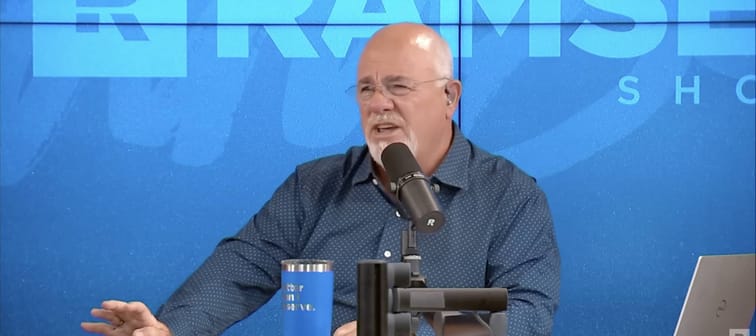
David wrote into The Ramsey Show to get advice on a particularly difficult situation (1).
“My father passed away recently and did not make the will he always planned to create. He owned five properties and had only two mortgages. He and a partner also owned a business, which brings in close to $1 million in residuals annually,” David wrote.
David’s father was a go-getter who started from scratch and David wants to honour his father’s legacy — not wanting to see his hard-earned money go to waste. But there is a problem.
While David’s mother is “not in the picture,” his brother, he says, has a substance abuse problem. Worried about the potential to squander away the sum, he asked, “Is there anything I can legally do to prevent my brother from getting a lump sum” of the inheritance?
The Ramsey Show hosts had some choice words for this difficult situation.
What options do you have to keep siblings from inheriting?
The show's hosts advised David that the root of his problem is his father’s lack of foresight.
A man who is financially responsible enough to grow his wealth by investing in businesses and real estate has undoubtedly made use of insurance to protect his assets. So why didn’t he leave a will to protect his assets’ future?
When a person dies without a will, they are “intestate” — a legal term that means their estate is subject to predetermined rules for distribution to its heirs.
In David’s home state of Massachusetts, the assets of a person who dies intestate goes into probate — the legal process by which the validity of a will is established — just as it would have if David’s father left a will. The key difference is that the distribution is determined by the state’s intestacy laws instead of by the deceased person’s wishes.
In Canada, some assets with named beneficiaries — such as insurance policies and registered accounts like Registered Retirement Savings Plans (RRSPs), Registered Retirement Income Funds (RRIFs) and Tax-Free Savings Accounts (TFSAs) — can bypass probate and go directly to the beneficiary. Remaining assets are divided according to the will.
If there’s no will, provincial or territorial intestacy laws will determine how assets are divided. Usually, if the deceased is survived by a spouse and children of that relationship, the spouse will get a preferential share of the estate, with the rest divided between the children, as per provincial or territorial rules.
David’s statement that his mother was “no longer in the picture” is vague and could mean that she died, or more likely that she and David’s father were separated.
If either of those are the case, all his father’s assets are divided equally between the children. This means David will get half, and his brother will get the other half.
In Canada, a sibling who believes they deserve a larger share of an inheritance can contest the will or estate through the courts. Common grounds for contesting a will include undue influence, lack of mental capacity, or fraud. In some provinces, such as Ontario and British Columbia, specific laws make it easier to challenge a will if there’s reason to believe the deceased wrote it under duress or manipulation.
If the estate has no valid will, as is the case here, a sibling can petition the court to become the estate’s personal representative to manage or distribute the assets, which David intimates he has done.
But the court generally follows statutory formulas rather than personal claims. Courts rarely adjust inheritances simply because one heir believes another is undeserving, so the challenger must prove legal evidence of wrongdoing or procedural flaws in the will or estate administration. These include:
- Lack of testamentary capacity — the deceased didn’t understand what they were signing
- Undue influence or coercion
- Fraud or forgery
- Improper execution, as in, the will wasn’t correctly signed or witnessed
Ramsey delivered David the bad news straight — no chaser: “I think he’s going to get his lump sum unless he’s declared incompetent by the court … and just being stupid or doing drugs is not going to cause that to happen.”
The financial guru says David could possibly persuade his brother to let him manage his share in his name until he gets clean, but the odds of an older brother accepting that offer are slim to none.

Sponsored
Smart investing starts here
Build your own investment portfolio with CIBC Investor’s Edge online and mobile trading platform. Enjoy low commissions on trades and special pricing for active traders, students and young investors.
Get started todayHow to avoid future problems by making your will now
“What this guy did when he died suddenly is he has put a curse on his two sons,” Ramsey observed. “He left them with a mess because he didn’t do a will," adding that this all could have been avoided if he had simply prepared a will that put the problem child’s inheritance in a trust.
It’s too late for David’s father to make it right, but it’s not too late for David. He — and anyone else who has assets they want to protect after their death — should follow these steps.
Step 1: Before writing a will, start by clarifying your purpose
Think carefully about who you want to benefit and why, especially if you anticipate family conflict.
Reflect on potential sources of tension, such as children with addiction or blended-family relationships and work with a qualified estate attorney familiar with your provincial or territorial laws.
A professional can help you draft a precise will or revocable living trust that includes clear disinheritance or limitation clauses and establishes protective measures like spendthrift or discretionary trusts.
These legal tools can control how assets are distributed and prevent irresponsible heirs or creditors from draining the estate.
Step 2: Once your plan is in place, openly share it with your heirs
Discuss your intentions with your family members to mitigate resentment and misunderstandings later.
A family meeting or written explanation can go a long way toward preventing disputes and clarifying your reasoning. Make sure to regularly review and update your estate documents as life circumstances change through marriage, divorce or the addition of new family members.
It’s important to name levelheaded executors, trustees and backups to ensure that your wishes are faithfully carried out without bias.
Step 3: Document your reasoning and prepare for potential disputes
A letter of intent can demonstrate your decisions as deliberate, reducing the risk of legal challenges.
Use beneficiary designations and transfer-on-death registrations for accounts like RRSPs and insurance policies to ensure these assets successfully bypass probate.
If you expect disputes over your estate, strengthen your will with independent witnesses, medical statements confirming mental capacity or a “no-contest” clause. Keep in mind that enforcing no-contest clauses varies by province and territory. Thoughtful planning and clear communication can protect your estate and keep the family peace after you’re gone.
Bottom line
David’s problem originated with his father’s lack of planning, which is an inheritance no parent should leave their children.
For this reason, Ramsey reminds, “Do your freakin’ will if you love the people that you’re going to leave behind … it is an act of love to do your estate planning.”
Article sources
We rely only on vetted sources and credible third-party reporting. For details, see our editorial ethics and guidelines.
The Ramsey Show (1)
How Dave Ramsey’s plan helps people ditch debt for good
Tired of living paycheck to paycheck? Dave Ramsey’s popular 7-step method shows you exactly how to wipe out debt and finally build real savings. No gimmicks — just a clear plan that works.

Will Kenton
Freelance Contributor
Will Kenton is a personal finance writer with a Master's degree in Economics who has been published in Investopedia, AP News, TIME Stamped and Business Insider among other publications.
Explore the latest articles

Can you pay the CRA with a credit card?
Can you pay your taxes using a credit card? Yes, but that doesn’t mean you should. Here’s what to consider before swiping for the taxman

Leanne Armstrong
Contributor


Disclaimer
The content provided on Money.ca is information to help users become financially literate. It is neither tax nor legal advice, is not intended to be relied upon as a forecast, research or investment advice, and is not a recommendation, offer or solicitation to buy or sell any securities or to adopt any investment strategy. Tax, investment and all other decisions should be made, as appropriate, only with guidance from a qualified professional. We make no representation or warranty of any kind, either express or implied, with respect to the data provided, the timeliness thereof, the results to be obtained by the use thereof or any other matter. Advertisers are not responsible for the content of this site, including any editorials or reviews that may appear on this site. For complete and current information on any advertiser product, please visit their website.
†Terms and Conditions apply.
